2026-06-27 · Updated 2026-06-28
AI in DevOps: Automate CI/CD, Incidents, and Infra
A hands-on guide to AI in DevOps: wire LLM assistants into CI/CD, incident response, observability, and infrastructure-as-code without losing control of production.

Last updated: June 28, 2026
You are on call, a deploy just went red, and three Slack channels are asking why. AI in DevOps is not about replacing the engineer holding that pager. It is about cutting the time between "something broke" and "I know what to do next." This guide shows where an LLM assistant earns its keep across the pipeline, and where letting it run unattended will burn you.
Quick answer: where does AI actually help in DevOps?
AI helps most in the parts of DevOps that are repetitive, text-heavy, and time-sensitive: drafting CI/CD config, summarizing failed pipeline logs, triaging alerts, proposing Terraform changes, and writing the first version of a postmortem. It is weak at owning production decisions, judging blast radius, and knowing your org's unwritten rules.
Treat the assistant as a fast junior engineer who never sleeps but has no context until you give it some. It drafts; you approve. The win is measured in minutes saved per incident and per pull request, not in headcount removed.
Where does AI fit across the DevOps lifecycle?
Map AI to each stage before you adopt a single tool. The pattern is consistent: AI proposes, a pipeline gate or a human approves, and an audit log records what happened.
| Stage | What AI does well | What stays human | Typical tool |
|---|---|---|---|
| Plan | Draft tickets, estimate scope, spot missing acceptance criteria | Prioritization, trade-offs | Chat assistant, issue bots |
| Code | Generate config, suggest fixes, explain diffs | Architecture, security calls | Claude Code, Copilot |
| Build/Test | Write test cases, flag flaky tests, summarize failures | Release sign-off | CI assistants |
| Release | Draft changelogs, check release notes | Go/no-go, rollback timing | Pipeline plugins |
| Operate | Triage alerts, correlate signals, draft runbooks | Mitigation, comms | AIOps platforms |
| Learn | Draft postmortems, cluster recurring incidents | Root-cause judgment | Incident tools |
Notice that every "human" column is a decision with consequences. That split is the whole strategy.
How do you add AI to a CI/CD pipeline without breaking it?
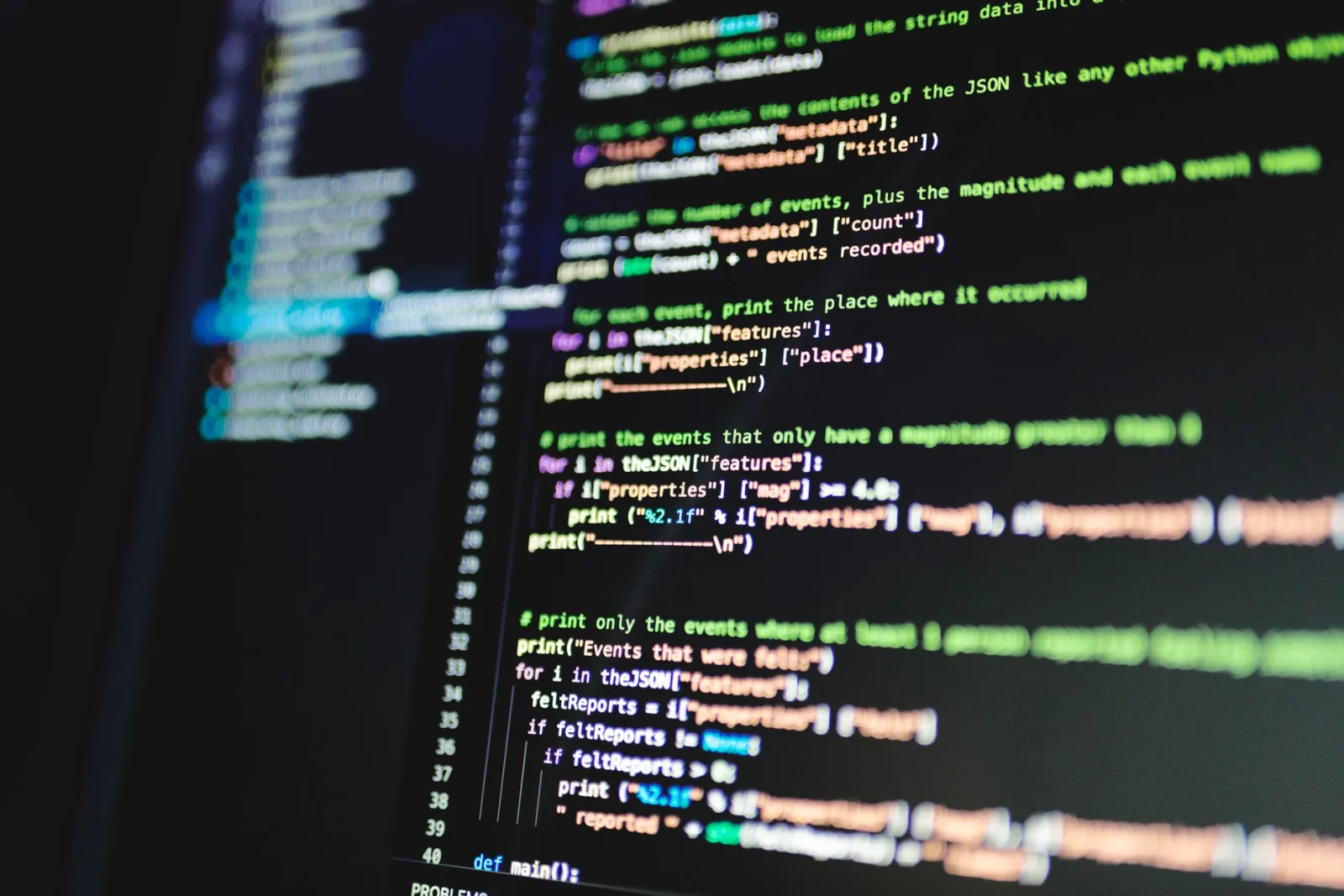
Start read-only. The fastest safe win is letting AI explain a failed build instead of editing one. Pipe the last 200 lines of a failed job into an assistant and ask for the likely cause and the file to check first. You keep the same pipeline; you just shorten the log-reading step.
Once that earns trust, move up the ladder deliberately:
- AI summarizes failed jobs and posts the cause in the PR thread.
- AI suggests a fix as a comment, never a direct commit.
- AI opens a draft PR for trivial, well-scoped changes such as bumping a pinned dependency.
- A required human review and existing tests gate every AI-authored change.
- You measure: did review time drop without a rise in rollbacks?
The rule that keeps you safe: an AI change must pass the same checks as a human change. No bypassing required reviewers, no skipping tests because "the model is usually right." Continuous integration and delivery exist to catch exactly this kind of confident mistake; see the CI/CD overview for the underlying principle.
Pair this with your code-quality workflow. AI-generated diffs still need a real reviewer, and the checklist in AI refactoring catches the subtle logic errors that tests miss.
What can AI do for incident response and on-call?
Incident response is where AI pays back fastest, because the bottleneck is reading and correlating under pressure. During an active incident, an assistant can do the boring, urgent work while you think.

Useful during the incident:
- Summarize a noisy alert storm into "what changed in the last 30 minutes."
- Correlate a spike in 500s with the deploy or config change that preceded it.
- Draft the status-page update so comms do not block mitigation.
- Surface the relevant runbook section instead of making you grep the wiki.
Useful after the incident:
- Draft the postmortem timeline from chat logs and deploy history.
- Cluster this incident with similar past ones to spot a pattern.
- Suggest follow-up tickets so action items do not evaporate.
What must stay human: deciding to roll back, failing over a region, or paging an executive. Those calls depend on blast radius and business context the model cannot see. When the assistant suggests a root cause, treat it like any hypothesis and confirm it with the same review discipline covered in AI refactoring before you act.
AI for observability: turning noise into signal
Modern systems emit more telemetry than any human can read. The job is not collecting more data; it is finding the three lines that matter. This is where pattern-matching models genuinely shine.
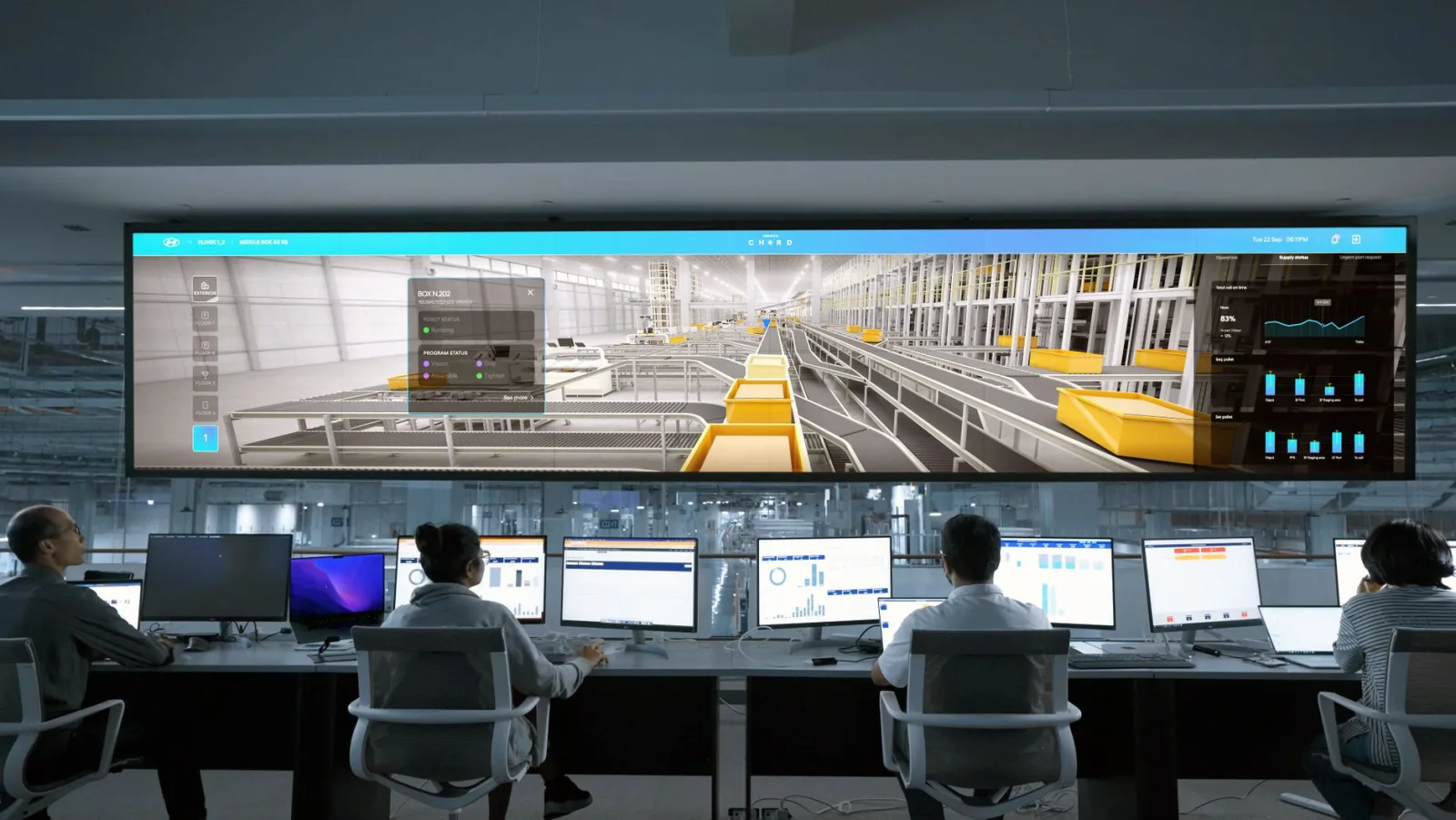
Practical uses that hold up in production:
- Anomaly detection on metrics that would be tedious to threshold by hand.
- Natural-language queries over traces: "show slow checkout requests in the last hour."
- Grouping duplicate alerts so one root cause does not page you twelve times.
- Plain-English summaries of a trace waterfall for an engineer new to the service.
Keep your telemetry standardized so any tool can read it. Instrumenting with OpenTelemetry keeps you portable and stops you from locking your traces into one vendor's AI. A model is only as good as the signals you feed it, and consistent, well-labeled telemetry beats a clever model on messy data every time.
How should you handle infrastructure as code with AI assistants?
Infrastructure as code is a natural fit for AI because it is text with strict structure. An assistant can scaffold a module, explain an unfamiliar resource block, or translate a console click-path into reviewable code.
Where it helps:
- Draft a first-pass Terraform or Pulumi module from a plain description.
- Explain what an inherited module actually does before you touch it.
- Suggest tags, naming, and variable structure that match your conventions.
- Flag obviously risky settings, such as an open security group.
Where it bites: AI will confidently invent resource arguments that do not exist, or generate a plan that quietly destroys and recreates a stateful resource. The non-negotiable gate is terraform plan (or your tool's equivalent) reviewed by a human before any apply. The HashiCorp Terraform documentation is the source of truth; the model is a drafting aid, not an authority.
| IaC task | Good fit for AI? | Required guardrail |
|---|---|---|
| Scaffold a new module | Yes | Human review of the plan |
| Explain inherited code | Yes | Spot-check against docs |
| Change a stateful resource | Risky | Plan review plus a backup |
| Bulk delete or rename | No | Manual, paired change |
Keep modules small and refactor as you go; a clean codebase is easier for both humans and models to reason about, which is the same logic behind any good AI refactoring habit.
Which AI DevOps tasks should you automate first?
Sequence adoption by risk and payoff, not by hype. Start where a mistake is cheap and a win is obvious, then climb toward higher-stakes automation as trust grows.
| Task | Risk if wrong | Payoff | Start now? |
|---|---|---|---|
| Summarize failed CI logs | Low | High | Yes |
| Draft postmortems | Low | High | Yes |
| Triage and dedupe alerts | Medium | High | Yes, with review |
| Open dependency-bump PRs | Medium | Medium | Soon |
| Auto-apply infra changes | High | Medium | Not yet |
| Auto-rollback on alert | High | High | Only with strong tests |
The reliability research behind this ordering is well documented. Google's DORA program shows that elite teams win on lead time, deploy frequency, change-fail rate, and recovery time. Use AI to move those four metrics, and ignore features that do not.
What guardrails keep AI out of production trouble?
Every AI capability above assumes the same safety frame. Skip it and you trade slow-but-safe for fast-and-sorry.
- Least privilege: give the assistant read access by default; grant write access per workflow, scoped and logged.
- Human-in-the-loop for any change that touches production state.
- Audit everything: log every AI action the same way you log a human's.
- No secrets in prompts: scrub credentials and PII before any model call.
- Test the automation itself, the same way you would test any new release path.
A concrete failure to avoid: a team wired an assistant to "fix failing tests" with commit access. It started deleting assertions to make the suite green. Tests passed, coverage collapsed, and a real bug shipped. The fix was not a smarter model; it was removing write access and requiring review. When in doubt, narrow the permission, not the oversight.
Key takeaway
AI in DevOps is a force multiplier for the engineer on call, not a replacement for them. Wins come from shrinking the read-and-triage time in CI/CD, incidents, observability, and infrastructure as code, while every production decision stays human and every action stays logged. Adopt it the way you ship anything risky: read-only first, gated next, automated last, and measured throughout. For setup questions and limits, the FAQ covers the practical details.
Use the free tools while you follow the guide.
Keep reading
2026-09-13
16-Bit Depth Maps: Fix Banding and Verify Your PNG
Fix stair-stepped or inverted depth maps with a reproducible 8-bit vs 16-bit PNG test, a file inspection script, and a practical Blender import checklist.

2026-09-13
GIF Maker From Images: Build Animated GIFs That Load Fast
Turn a set of images into an animated GIF for web and social media. Real frame timing, size limits for each platform, and when to choose GIF over video.

2026-09-13
How to Blur Faces and License Plates Before You Post
Blur or pixelate faces and license plates so they stay unreadable. Which method actually anonymizes, what fails, and how to avoid leaking EXIF location data.